Millenium RAT V4.3 lifetime licence
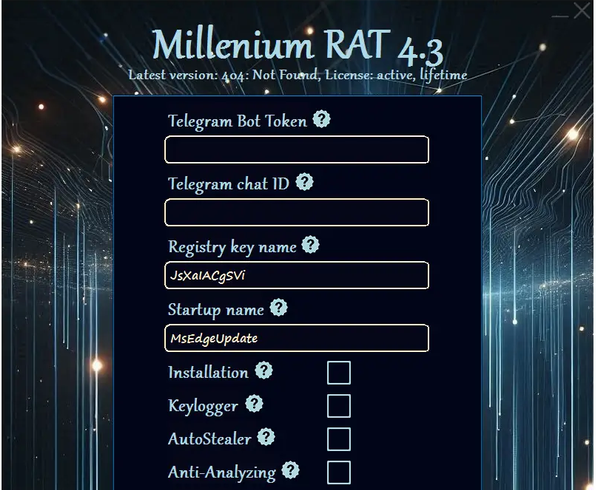
Millenium RAT V4.3 Analysis: Origins, Features, Capabilities, Risks and Cybersecurity Impact
Millenium RAT V4.3 is a Remote Access Trojan (RAT) that emerged within cybercriminal ecosystems during 2023 and quickly attracted attention from cybersecurity researchers. Designed to provide unauthorized remote control over infected systems, the malware offers a wide range of surveillance, persistence and system management capabilities. As cyber threats continue to evolve, understanding the architecture, objectives and operational behavior of Millenium RAT V4.3 is essential for security professionals, researchers and organizations seeking to strengthen their defenses against modern malware campaigns.
This comprehensive Millenium RAT V4.3 analysis explores the malware's origins, purpose, technical capabilities, infection methods, cybersecurity risks and defensive considerations while providing valuable threat intelligence regarding one of the most discussed RAT malware families observed since 2023.
What is Millenium RAT V4.3?
Millenium RAT V4.3 is a malware strain categorized as a Remote Access Trojan, commonly referred to as a RAT. This type of malicious software allows threat actors to remotely interact with compromised devices through a command-and-control infrastructure. Once deployed on a victim's machine, the malware can provide attackers with extensive visibility into system activity while maintaining persistent access over extended periods.
Security analysts classify Millenium RAT as a high-risk threat because of its ability to centralize victim management, gather sensitive information and facilitate long-term compromise operations. The malware has been referenced across multiple cybercrime communities since its public emergence in 2023.
The Emergence of Millenium RAT V4.3 in 2023
The first public discussions surrounding Millenium RAT appeared in underground cybercrime forums during 2023. Threat actors promoted the malware as a remote administration solution capable of providing comprehensive access to infected systems. As adoption increased among cybercriminal groups, newer iterations introduced improved stability, additional management features and enhanced persistence mechanisms.
Unlike highly specialized malware developed for advanced state-sponsored operations, Millenium RAT V4.3 appears primarily associated with financially motivated cybercrime, credential theft campaigns, information gathering operations and unauthorized surveillance activities targeting both individuals and organizations.
Primary Objectives of Millenium RAT V4.3
The core objective of Millenium RAT V4.3 is to establish and maintain unauthorized remote access to compromised devices. Once attackers obtain access, they can monitor system activity, collect information, manage files and maintain persistence within the infected environment.
Main Goals Associated with Millenium RAT
- Unauthorized remote system access.
- Victim monitoring and surveillance.
- Sensitive information collection.
- Credential harvesting activities.
- Long-term persistence within compromised environments.
- Centralized management of infected systems.
- Support for broader cybercriminal operations.
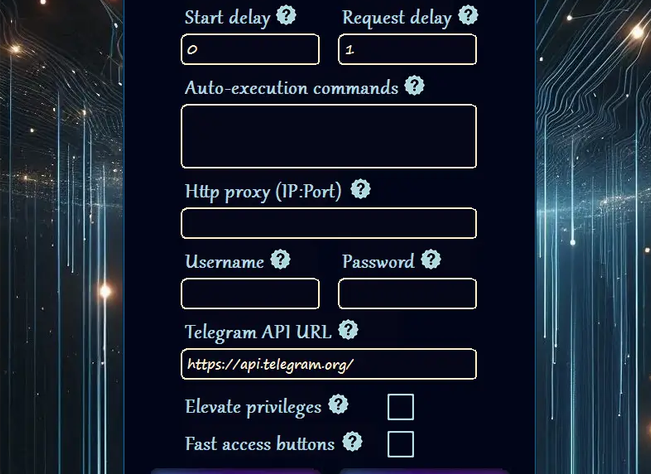
Millenium RAT V4.3 Features and Capabilities
The popularity of Millenium RAT V4.3 largely stems from its extensive feature set. These capabilities allow threat actors to maintain visibility and operational control over compromised endpoints while reducing the likelihood of immediate detection.
- Remote administration functionality.
- System information collection.
- File management operations.
- Command execution capabilities.
- Persistence after system reboots.
- Victim monitoring mechanisms.
- Screenshot capture functionality.
- Multi-client management architecture.
- Encrypted communications with command-and-control infrastructure.
- System reconnaissance and environment profiling.
Infection and Distribution Methods
Like many modern Remote Access Trojans, Millenium RAT V4.3 is typically delivered through social engineering campaigns designed to trick users into executing malicious files. Attackers frequently disguise payloads as legitimate software, updates or business-related documents.
Common Distribution Techniques
- Phishing email attachments.
- Malicious downloads.
- Fake software installers.
- Pirated software packages.
- Fraudulent software updates.
- Social engineering campaigns.
- Compromised websites.
Cybersecurity Risks Associated with Millenium RAT V4.3
A successful Millenium RAT infection can create significant security and privacy concerns. The malware enables attackers to maintain ongoing access to victim environments while potentially exposing valuable personal, corporate and financial information.
- Loss of sensitive information.
- Credential compromise.
- Privacy violations.
- Unauthorized system access.
- Operational disruption.
- Potential financial losses.
- Expanded attack surface within organizational networks.
Why Millenium RAT V4.3 Matters to Threat Intelligence Researchers
From a threat intelligence perspective, Millenium RAT V4.3 represents an example of how accessible malware frameworks continue to evolve within cybercriminal ecosystems. Its appearance demonstrates the growing availability of tools that enable unauthorized remote access while lowering technical barriers for malicious actors.
Studying malware families such as Millenium RAT helps cybersecurity professionals better understand attacker methodologies, malware development trends and defensive strategies relevant to modern endpoint security.
Conclusion
Millenium RAT V4.3 remains a notable Remote Access Trojan discussed within cybersecurity circles since 2023. Through its remote management capabilities, persistence mechanisms and information-gathering functions, the malware demonstrates many characteristics commonly associated with modern cyber threats. Understanding the origins, objectives and operational behavior of Millenium RAT V4.3 contributes to stronger threat awareness, improved cyber defense strategies and more effective malware analysis efforts.
Millenium RAT V4.3 Keywords
Millenium RAT V4.3, Millenium RAT malware, Millenium RAT analysis, Millenium RAT V4.3 malware analysis, Remote Access Trojan, RAT malware, cybersecurity threat, malware research, threat intelligence, cybercrime malware, malware capabilities, malware persistence, command and control malware, malware infection methods, information stealing malware, endpoint security, malware behavior analysis, cyber threat intelligence, RAT cyber attack, malware investigation, malware report, cybersecurity analysis.
Frequently Asked Questions About Millenium RAT V4.3
Is Millenium RAT V4.3 a Remote Access Trojan?
Yes. Millenium RAT V4.3 is categorized as a Remote Access Trojan (RAT), a type of malware designed to provide unauthorized remote access to compromised systems.
When did Millenium RAT become known?
Public discussions and references to Millenium RAT began appearing within cybercriminal communities during 2023.
What are the primary risks of a Millenium RAT infection?
Risks include unauthorized access, information exposure, credential compromise, privacy violations and broader cybersecurity incidents.